UVPA PRAXIS 2026
International Conference and Open Day on Creative Arts Research
UVPA PRAXIS 2026 – Conference Book
>>>
Please wait while flipbook is loading. For more related info, FAQs and issues please refer to DearFlip WordPress Flipbook Plugin Help documentation.
About the Conference
PRAXIS 2026 is a flagship international conference dedicated to advancing practice-led and practice-based research in the creative arts convened by the Centre for Research, Creative Work, and Knowledge Dissemination (CRCKD) of the University of the Visual and Performing Arts in Sri Lanka, the conference positions artistic practice as a rigorous, research-generating methodology within contemporary academic discourse.
The conference provides a high-level interdisciplinary platform for academics, artist-researchers, and practitioners to engage in critical dialogue, present innovative work, and contribute to the expanding global field of artistic research.
PRAXIS 2026 is designed to align with international research standards, supporting publication pathways, peer-reviewed outputs, and long-term scholarly impact.
Themes
Developing Communities through Creative Practice
Bridging Tradition, Intangible Cultural Heritage, and Modernity
VENUE
Hybrid Mode
University of the Visual and Performing Arts
Colombo
DATE
September 16- 18, 2026
Gallery
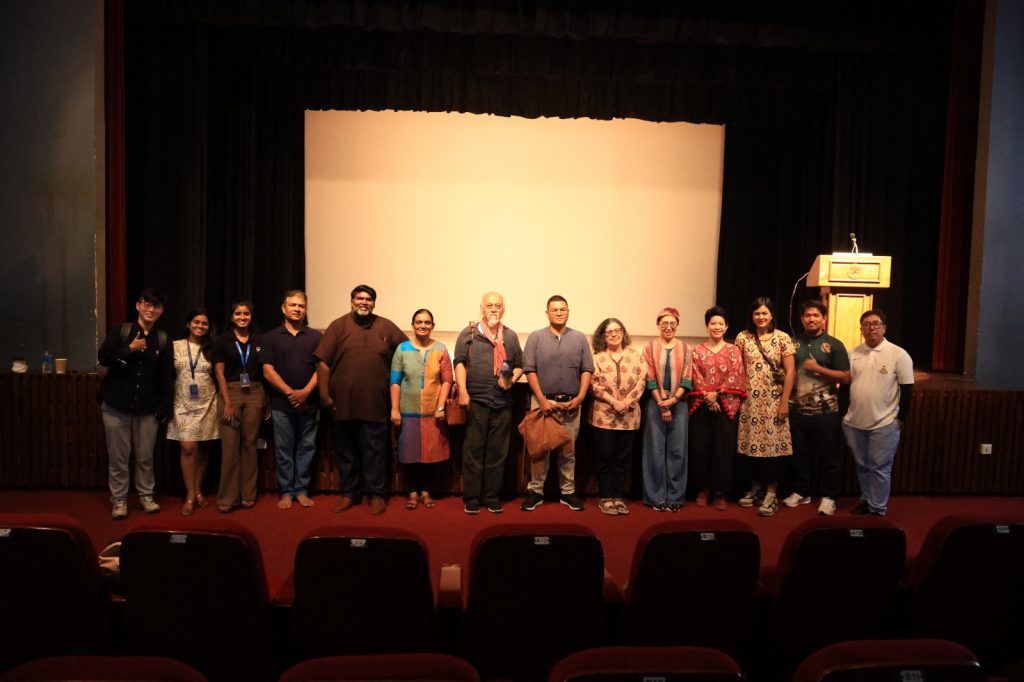
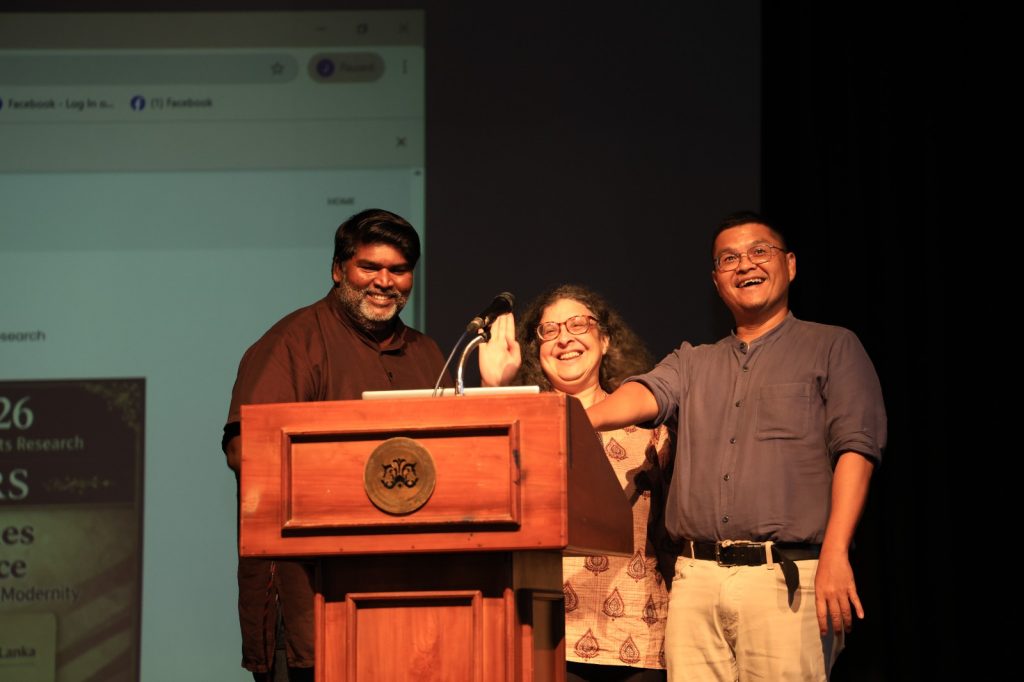
Official launch of the CFP of the UVPA Praxis 2026
Official launch of the CFP of the UVPA Praxis 2026 at the University of the Visual and Performing Arts, Dr Tharanga Dandeniya, Director Centre for Research, Creative Work, and Knowledge Dissemination of the UVPA, Professor Jerry Daboo University of Exeter, Asst. Prof. Dr. Jirayudh Sinthuphan, Institute of Asian Studies of Chulalongkorn University.
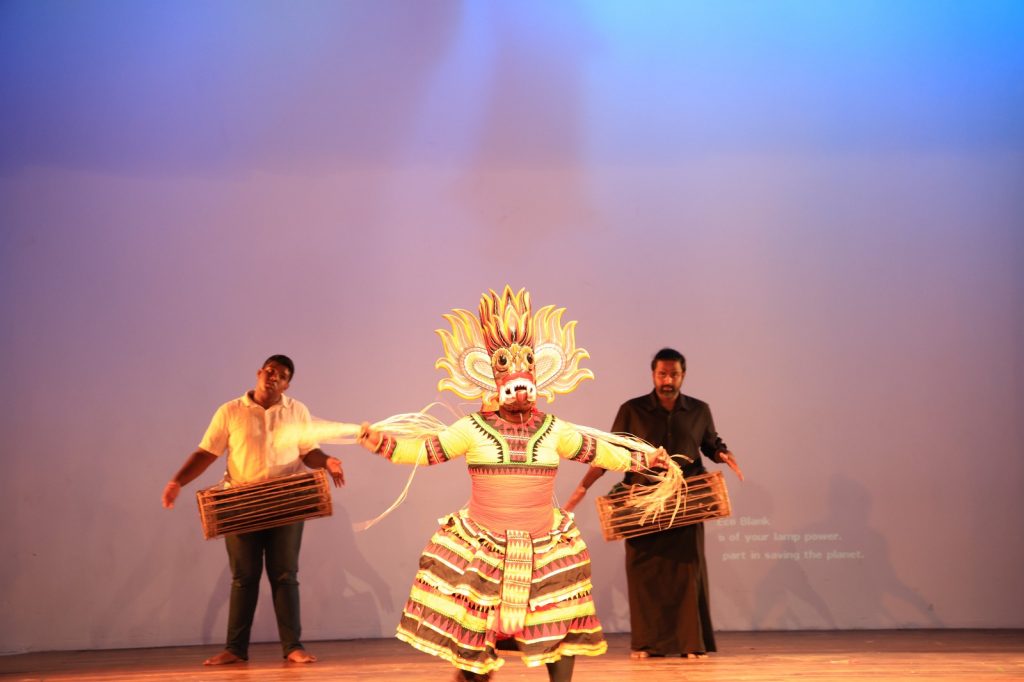
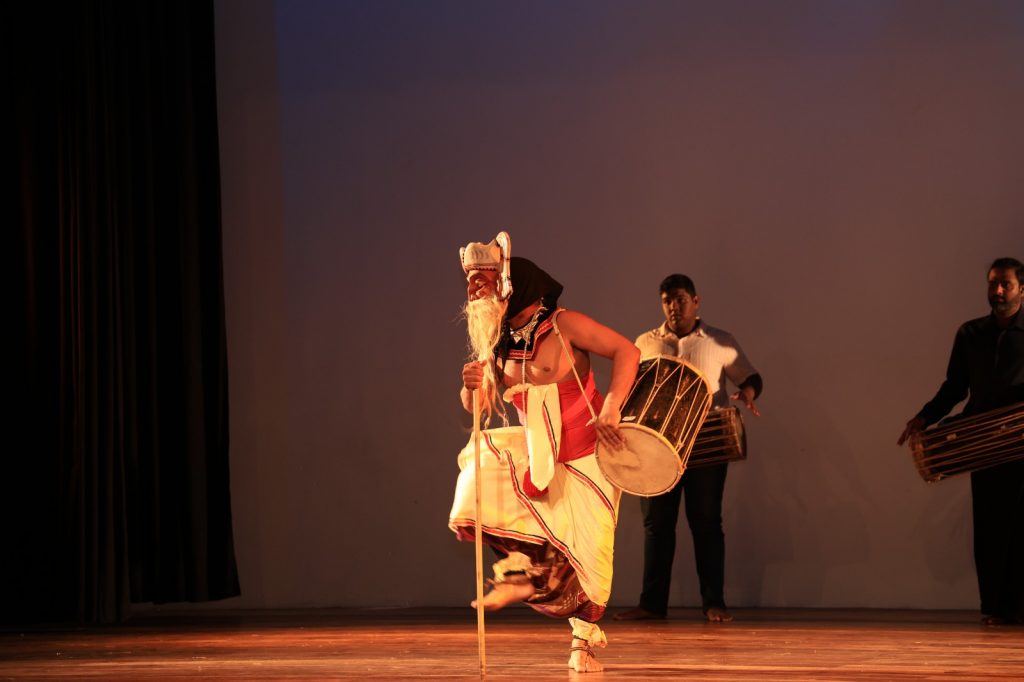
Performance at the official launch of the CFP of the UVPA Praxis 2026 at the University of the Visual and Performing Arts on 2nd April . Performed by Senior lecturer Buddhika Ranawera and the team.
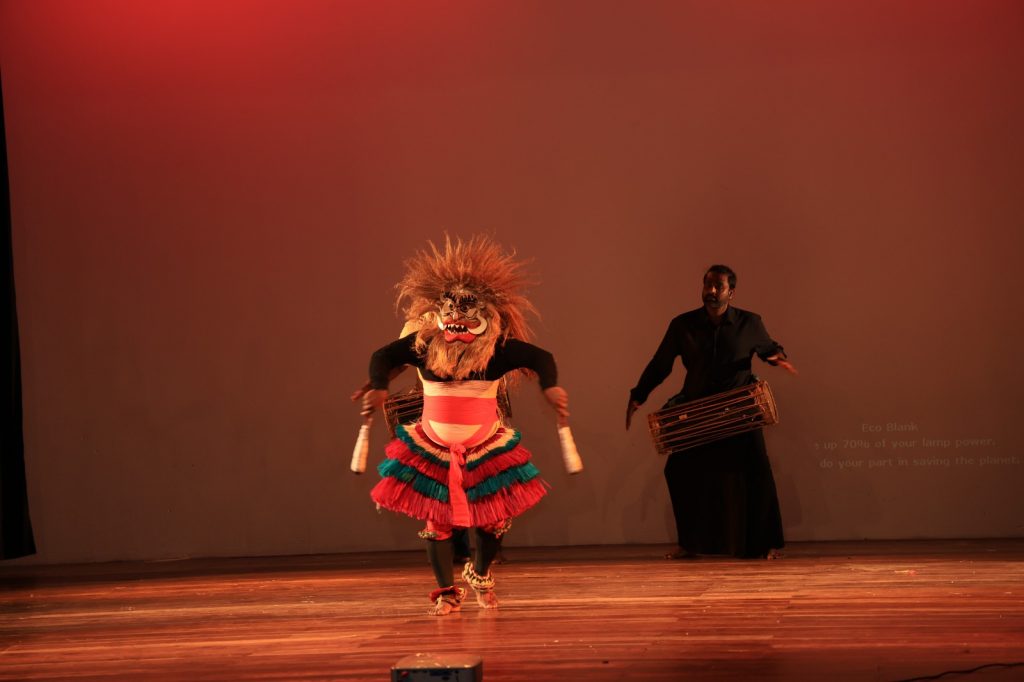
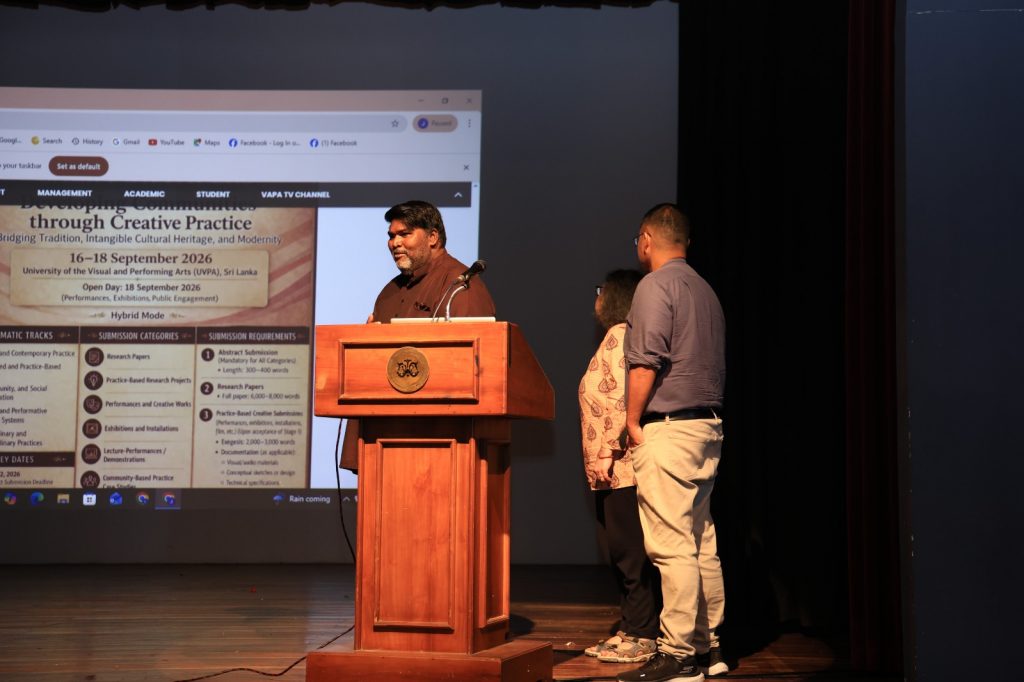
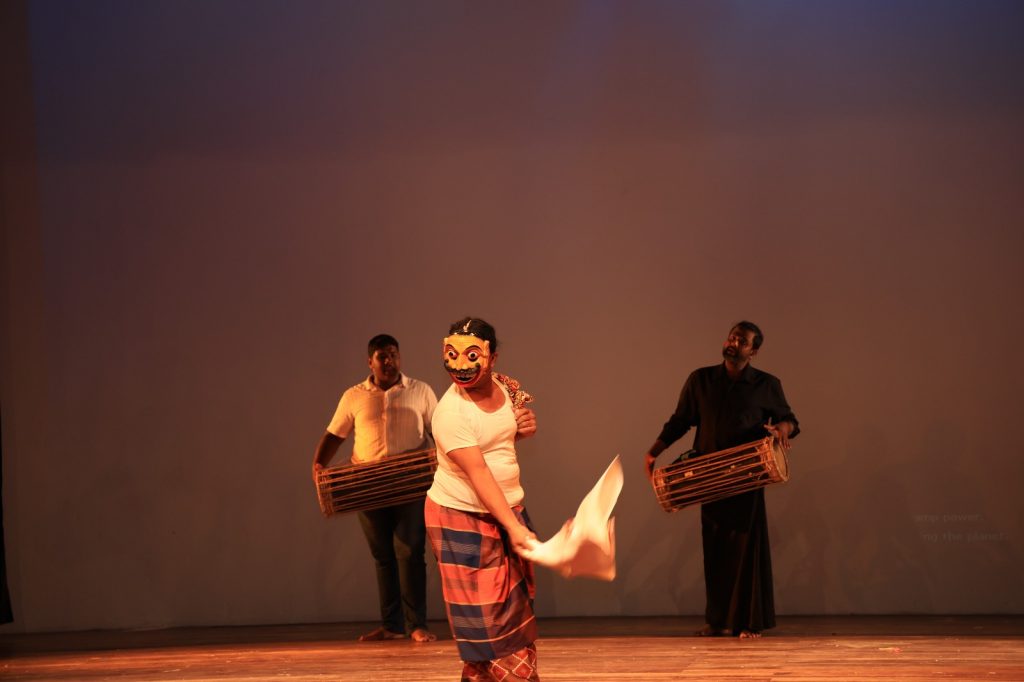
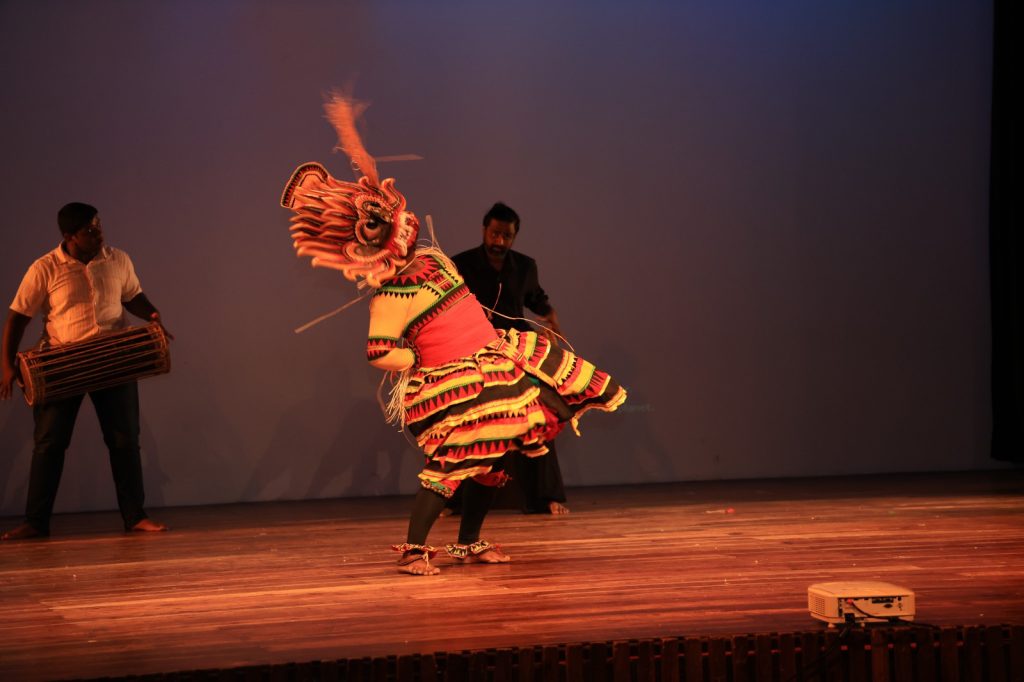
Open Day
September 18, 2026
(Performances, Exhibitions, Public Engagement)
Conference Scope and Focus
The conference explores the role of creative practice as a driver of:
- Cultural sustainability and heritage transmission
- Knowledge production through artistic processes
- Social engagement and community transformation
- Innovation across interdisciplinary and transdisciplinary contexts
Keynote Speaker
Prof. Dr. Svanibor Pettan
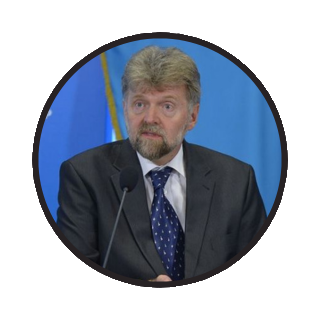
Svanibor Pettan is a distinguished ethnomusicologist and former Professor and Chair at the Faculty of Arts, University of Ljubljana, Slovenia. He earned his degrees from the universities of Zagreb (B.A.), Ljubljana (M.A.) and Maryland (Ph.D.), and has conducted fieldwork in Australia, Egypt, Norway, Sri Lanka, Tanzania, the USA and territories of the former Yugoslavia. In his studies he examines music in relation to politics and war-peace continuum, multiculturalism, minorities, and applied ethnomusicology. His publications include fifteen authored or edited books, many articles and publications in other formats, including a tetralogy on Romani musicianship in Kosovo (book, picture exhibition, film, CD-ROM). Dr. Pettan is former Secretary General and President of the International Council for Traditions of Music and Dance (ICTMD), and past Chair of its study Groups on Music and Minorities and Applied Ethnomusicology. He is a member of several international advisory and editorial boards, and active on a global scale as an invited lecturer and visiting professor.
Key Discussion Panel
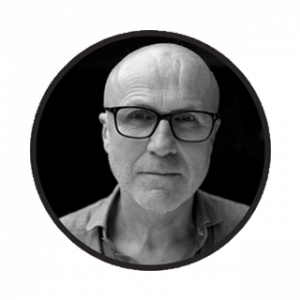
Panelist
Mr. Tim Crouch
Tim Crouch is an Obie-award winning writer and theatre-maker. He was an actor before starting to write and he still performs in much of his work. He has redefined contemporary performance through minimal theatrics and formalistic experimentation. His well-known plays—My Arm, An Oak Tree, ENGLAND, The Author, Truth’s a Dog Must to Kennel, Adler and Gibb and I, Malvolio have toured around the world and have been translated into multiple languages. Tim’s work which challenges theatre norms and expectations, is committed to minimalism and invites audiences to imagine different possibilities. He has written and directed for the Royal Shakespeare Company, the Royal Court, the National Theatre, and BBC Radio. His awards include John Whiting Award, a Fringe First, Total Theatre Award, Prix Italia, and Writers’ Guild of Great Britain Award. Tim created and co-wrote Don’t Forget the Driver, a six-part series for BBC2 which won Best Comedy at the Venice TV awards, 2019.
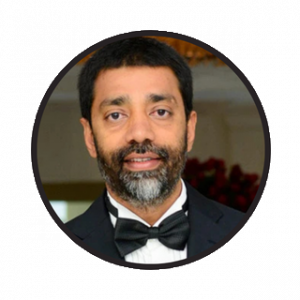
Panelist
Prof. Saumya Liyanage
Saumya Liyanage is an award-winning actor, scholar, and professor of drama and theatre at the Department of Theatre, Ballet and Modern Dance, Faculty of Dance and Drama, University of the Visual and Performing Arts. He earned his Bachelor of Arts degree from University of Kelaniya in 1998, completed a Master of Creative Arts (MCA) degree at Flinders University in 2003, and received his PhD from La Trobe University in 2015. Professor Liyanage has published extensively in academic journals and presented research at numerous national and international conferences, including those organized by the International Federation for Theatre Research (IFTR), Australasian Drama, Dance and Performance Studies (ADSA), and the Asia-Pacific Quality Network (APQN). His recent scholarly contributions include the chapter “Centaurs, Nation-Building, and Democracy in Sri Lanka: Politics of Modern Sinhala Theatre after Independence” in Democracy and Democratization: Paths, Trends and Imaginations (2023), and “Arts and Culture in Post-War Sri Lanka: Body as Protest in the Post-Political Aragalaya” in Persistent Crises in Post-War Sri Lanka (2025), published by the Bandaranaike Centre for International Studies. His chapter, “Suniyam and Crucifixion in Aragalaya: Reframing Rituals, Reclaiming Democracy in Post-war Sri Lanka,” appears in Religion, Performance and Democracy: Challenges to Cultural Freedom in South Asia (1940s to Present), edited by Manujendra Kundu and published by Routledge in 2026. His most recent book, Lamp in a Windless Place: Phenomenology and Performance, was published in 2025 by the VAPA University Press. He currently serves as a member of the research advisory committee of the National Science Foundation. He is also Chairman of the National Theatre Subcommittee of the Arts Council of Sri Lanka and a board member of the Standing Committee on Accreditation and Quality Assurance at the Ministry of Higher Education. In addition, Professor Liyanage serves as Editor-in-Chief of the biannual academic journal, Journal of Visual and Performing Arts (JOVPA-SL) published by the University of the Visual and Performing Arts, Colombo. He lives in Mount Lavinia with his wife, two sons, and their dog, Casper.

Panel Moderator
Dr. Kanchuka Dharmasiri
Dr. Kanchuka Dharmasiri is an academic, theatre practitioner, writer and translator. She teaches in the Department of English at the University of Peradeniya and holds a Ph.D in Comparative Literature from the University of Massachusetts Amherst. She is the editor of Performance in a Time of Terror, Five Sinhala Plays from Sri Lanka translated by Ranjini Obeyesekere (Routledge, 2021). Her articles and chapters have appeared in various journals and books such as Frontiers of South Asian Culture: Nation, Trans-Nation and Beyond. (Routledge: 2023) and Routledge Handbook of Asian Theatre (2016). As a theatre practitioner, Kanchuka has translated and directed plays such as Tim Crouch’s An Oak Tree, Eugène Ionesco’s The Bald Soprano and Woody Allen’s God. Her devised works include Subha and Nodutu Aes/ Unseen Eyes. Currently, she is reworking Surpanakha: A Time-Travelling Princess.
Call for Papers
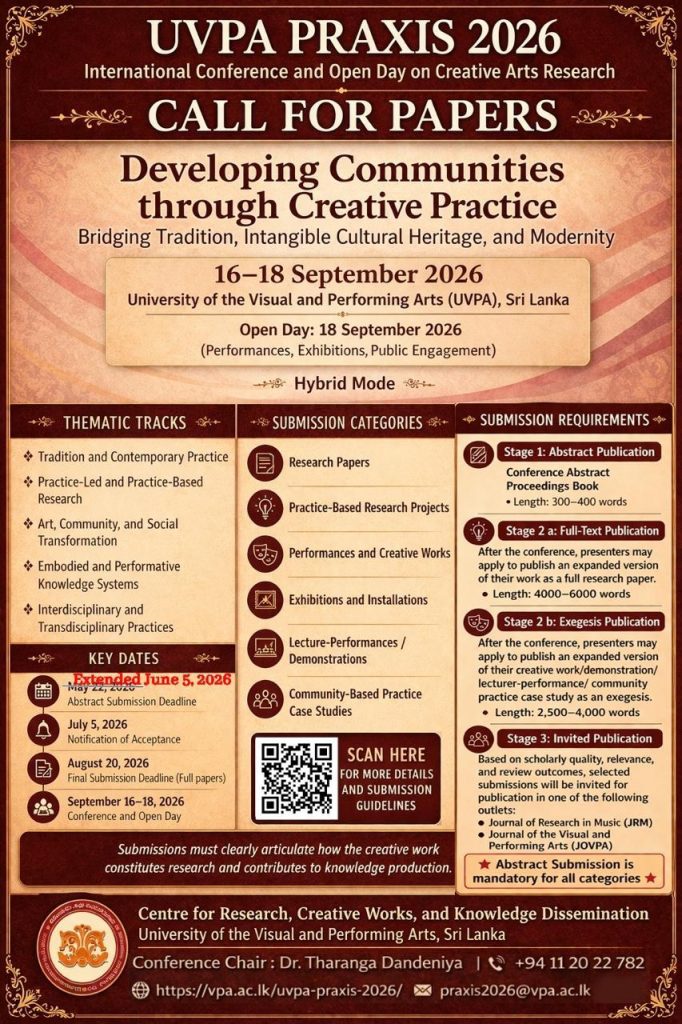
Thematic Tracks
Track 1: Tradition and Contemporary Practice
- Critical reinterpretations of traditional art forms
- Contemporary engagements with intangible cultural heritage
Track 2: Practice-Led and Practice-Based Research
- Artistic practice as methodology
- Creative work as research output
- Exegesis and reflective frameworks
Track 3: Art, Community, and Social Transformation
- Participatory and community-based practices
- Art in social development and public engagement
Track 4: Embodied and Performative Knowledge Systems
- Body, movement, sound, and image as epistemologies
- Indigenous and non-Western knowledge systems
Track 5: Interdisciplinary and Transdisciplinary Practices
- Art and technology
- Creative practice in education and research integration
- Cross-sector collaborations
Submission Pathways
Stage 1: Abstract Publication
All accepted and presented abstracts will be published in the official Conference Abstract Proceedings Book. This publication formally documents participation in the conference.
Stage 2: Full-Text Publication
Conference Proceedings Book
After the conference, presenters may apply to publish an expanded version of their work as a full paper. Submission to this stage is separate from abstract acceptance and will undergo an independent peer-review process.
Stage 3 : Invited publication
Based on scholarly quality, relevance, and review outcomes, selected submissions will be invited for publication in one of the following outlets:
- Journal of Research in Music (JRM)
- Journal of the Visual and Performing Arts (JOVPA)
Submission Categories
Authors may submit their work under one of the following categories:
01. Research Papers
- Full Paper Length: 4,000–6,000 words
- Research papers must demonstrate:
- Theoretical rigour
- Methodological clarity
- Original contribution to knowledge
These submissions should present clearly defined research questions, contextual grounding, analytical depth, and a well-supported conclusion.
02. Practice-Based Creative Submission
This category includes performances, exhibitions, installations, films, and other forms of creative practice.
- Exegesis Length: 2,500–4,000 words
- Each creative submission must be accompanied by:
- A critical exegesis
- Relevant documentation (visual/audio materials)
- Conceptual sketches or design materials
- Technical specifications
- Duration and spatial requirements
The exegesis must clearly explain how the creative work constitutes research, outlining its conceptual framework, methodology (where applicable), and its contribution to knowledge production within the visual and performing arts.
03. Lecture-Performances / Demonstrations
Abstract submission (Stage 1)
Separate technical and format description for teaching, workshop, or demonstration (to be submitted prior to presentation).
Concept note or short exegesis after the conference for inclusion in the Conference Proceedings (Stage 2 or/ and 3), subject to peer review.
04. Community Practice Case Studies
Abstract submission (Stage 1)
Full paper (4,000–6,000 words) or documented project submission after the conference for inclusion in the Conference Proceedings (Stage 2 or/and 3), subject to peer review.
Submission Requirements
Abstract Submission (Mandatory for All Categories)
Length: 300–400 words
Abstract must be submitted to the English language only.
Abstract must include:
- Title of submission
- Author(s) / Creator(s)
- Institutional affiliation (if applicable)
- Submission category
- Five Key Words
Content must include:
- Research aim or creative intention
- Methodological or practice-based approach
- Conceptual/theoretical grounding
- Relevance to conference themes
Review and Publication
- All submissions undergo double-blind peer review
- Evaluation criteria include:
-
- Originality and scholarly contribution
- Methodological and conceptual rigor
- Artistic quality (for creative works)
- Relevance to conference themes
Selected papers will be considered for publication in peer-reviewed conference proceedings, with potential pathways to indexed journals subject to review and editorial standards.
Key Dates
Call for Paper Launch
April 02, 2026
~
Abstract Submission Period
April 02, 2026 – May 22, 2026
The deadline of Abstract Submission has been extended to June 05, 2026.
~
Notification of Acceptance
July 14, 2026
~
Final Revised Abstract Submission Deadline
July 31, 2026
The deadline of Final Revised Abstract Submission has been extended to August 10, 2026.
Final Submission Deadline
August 20, 2026
Program Finalisation
August 20, 2026 – September 10, 2026
Technical Rehearsals & Exhibition Setup
September 14, 2026 – September 15, 2026
Conference & Open Day
September 16, 2026 – September 18, 2026
Who Should Participate
PRAXIS 2026 welcomes contributions from:
- Academics and researchers
- Artist-scholars and practice-led researchers
- Independent artists and practitioners
- Postgraduate and advanced undergraduate students
- Cultural professionals and interdisciplinary collaborators
Conference Experience
Participants will engage in:
- Parallel research sessions
- Curated exhibitions and performances
- Keynote lectures and panel discussions
- Practice-based research presentations
- Public engagement through Open Day programming
Expected Outcomes
- Peer-reviewed academic publications
- International research collaborations
- Documentation and archiving of creative research
- Strengthening of practice-led research frameworks
- Enhanced global visibility of creative arts scholarship
Registration Fees
International Author – Online $ 40
International Author – Physical attendance $ 80
Local Author – Rs 3000
International Co-Author – No payment is required for online Co-Authors.
International Co-Author – Physical attendance $ 40
Local Co-Author – Rs 1500
Committees
Conference Chair
Prof. (Dr.) Tharanga Chinthana Dandeniya
Director, Centre for Research, Creative Work, and Knowledge Dissemination (CRCKD)
UVPA
Conference Co-Conveners
Prof. (Dr.) Chinthaka Prageeth Meddegoda
Department of North Indian Music
Faculty of Music, UVPA
Dr. Priyantha Udagedara
Department of History and Theory of Arts
Faculty of Visual Arts, UVPA
Dr. (Mrs) Kamani Samarasinghe
Head – Department of Information Technology
Director – Centre for International Relations
UVPA
Prof. Rohan Nethsinghe – Vice chancellor/ Chief Advisor
Prof. (Dr.) Tharanga Chinthana Dandeniya – Conference Chair
Prof. Chinthaka Meddegoda – Conference Co-Convener
Dr. Priyantha Udagedara – Conference Co-Convener
Dr. (Mrs) Kamani Samarasinghe – Conference Co-Convener
Prof. Indika Ferdinando – Faculty Advisor (Dean/Faculty of Graduate Studies)
Mr. Rasika Kothalawala – Faculty Advisor (Dean/Faculty of Dance and Drama)
Mr. Sarath Fernando – Faculty Advisor (Dean/ Faculty of Music)
Dr. Thathsara Illangasinghe – Faculty Advisor (Dean/ Faculty of Visual Arts)
Prof. Saumya Liyanage – Faculty Research Coordinator (Drama and Postgraduate)
Prof. Mahinda Wimalasiri – Faculty Research Coordinator (Faculty of Dance and Drama)
Prof. Saman Panapitiya – Faculty Research Coordinator (Faculty of Music)
Prof. Manoranjana Herath – Faculty Research Coordinator (Faculty of Visual Arts)
Further Information
Detailed submission guidelines, templates, and registration information will be released via official channels. https://vpa.ac.lk/
Telephone
+94112022782
PRAXIS 2026 – Frequently Asked Questions (FAQ)
What is PRAXIS 2026?
PRAXIS 2026 is an international conference and open day on creative arts research organised by the Centre for Research, Creative Work, and Knowledge Dissemination (CRCKD) at the University of the Visual and Performing Arts (UVPA), Sri Lanka.
The conference focuses on how artistic and creative practices can generate knowledge, contribute to communities, preserve cultural heritage, and create new ways of thinking through art.
PRAXIS 2026 brings together:
- Academics
- Artists
- Researchers
- Performers
- Designers
- Filmmakers
- Community practitioners
- Students
- Independent creators
The conference includes:
- Research presentations
- Performances
- Exhibitions
- Installations
- Workshops
- Lecture-demonstrations
- Community-based projects
PRAXIS 2026 functions as both an academic conference and a creative platform, encouraging dialogue between artistic practice, research, community engagement, and interdisciplinary innovation.
Who organises PRAXIS 2026?
PRAXIS 2026 is organised by the:
Centre for Research, Creative Work, and Knowledge Dissemination (CRCKD),
University of the Visual and Performing Arts (UVPA), Sri Lanka.
The conference is developed as part of UVPA’s commitment to strengthening artistic research, practice-led inquiry, creative knowledge production, and international academic collaboration.
Is PRAXIS 2026 only for practice-based research?
No.
PRAXIS 2026 welcomes both:
- Traditional academic research
- Practice-led and practice-based research
This means participants may contribute through:
- Research papers
- Performances
- Films
- Exhibitions
- Workshops
- Creative processes
- Community art projects
- Lecture-performances
- Hybrid interdisciplinary formats
The conference values both scholarly and creative approaches and encourages dialogue between theory, practice, and experimentation.
What is practice-based or practice-led research?
Practice-based research is a form of research where creative practice itself becomes part of the research process and knowledge production.
In simple terms, your artistic work is not only an artwork — it also becomes a way of investigating ideas, methods, culture, society, identity, movement, sound, memory, performance, and artistic processes.
Examples
- A dance performance exploring ritual movement traditions
- A theatre production examining social trauma
- A music composition investigating indigenous sound practices
- A visual art installation exploring migration and memory
- A film project documenting disappearing cultural practices
In this approach, the artwork itself becomes research evidence and contributes to new knowledge.
Usually, the creative work is accompanied by:
- A short written explanation
- Reflection
- Documentation
- Exegesis
- Research framework
PRAXIS 2026 is designed to help artists and practitioners understand and develop these research approaches within internationally recognised academic and creative frameworks.
Who can participate? ? I am mainly a practitioner, not an academic researcher. Can I still participate?
Yes — absolutely.
PRAXIS 2026 is specifically designed to support practitioners who may not traditionally identify themselves as academic researchers.
If you are:
- A performer
- Director
- Musician
- Dancer
- Visual artist
- Designer
- Filmmaker
- Community practitioner
Your creative practice itself may already contain significant research value.
The conference encourages artists and practitioners to transform creative processes into research frameworks and scholarly contributions.
PRAXIS 2026 welcomes:
- Academics and researchers
- Artists and performers
- Undergraduate and postgraduate students
- Independent practitioners
- Community artists
- Designers and filmmakers
- Musicians, dancers, actors, and visual artists
- Interdisciplinary collaborators
- International participants
Participants do not need to be attached to a university or academic institution. Independent practitioners and community-based artists are strongly encouraged to participate.
What forms of presentation are accepted (With Examples)?
PRAXIS 2026 welcomes diverse modes of artistic and academic presentation. Participants may choose conventional research formats, creative practice presentations, or hybrid interdisciplinary approaches.
You may present through:
- Research papers
- Performances
- Practice-based projects
- Exhibitions
- Installations
- Lecture-performances
- Demonstrations
- Workshops
- Film screenings
- Community practice case studies
- Hybrid presentations
Both physical and online participation are possible.
⇓ Below are the accepted presentation categories with examples to help participants better understand how creative work can function as research.
6.1. Research Papers
Traditional academic presentations based on theoretical, historical, analytical, or methodological research.
Examples
- A paper analysing contemporary Sri Lankan theatre practices
- Research on indigenous dance traditions and cultural identity
- A study on digital technology in music composition
- Audience reception studies in contemporary performance
Format
- Oral presentation
- PowerPoint or visual support
- Approximately 15–20 minutes
- Full paper publication pathway available
6.2. Performances
Live artistic presentations where performance itself forms part of the research inquiry or creative investigation.
Examples
- A devised theatre production exploring memory and migration
- Contemporary dance work based on ritual movement
- Experimental music performance using traditional instruments
- Spoken word or interdisciplinary performance art
Can Include
- Theatre
- Dance
- Music
- Performance art
- Interdisciplinary live works
Participants should explain:
- The artistic concept
- Research or process methodology
- Relation to conference themes
6.3. Practice-Based Research Projects
Creative projects where artistic practice becomes the primary research method and outcome.
Examples
- A film project documenting disappearing folk traditions
- Costume design research exploring cultural symbolism
- Choreographic research based on body memory
- Community mural projects investigating social narratives
Usually Includes
- Creative work
- Documentation
- Reflection or exegesis
- Research framework
This category is particularly suitable for practitioners transitioning into research-based creative inquiry.
6.4. Exhibitions
Curated displays of creative works presented in gallery or exhibition formats.
Examples
- Photography exhibitions
- Fine art collections
- Multimedia exhibitions
- Digital art projects
- Archival and documentary displays
May Include
- Artist statements
- Research notes
- Visual documentation
- Audience interaction
6.5. Installations
Spatial or immersive artistic works engaging audiences through environment, interaction, sound, media, or performance.
Examples
- Interactive sound environments
- Site-responsive installations
- Projection mapping works
- Sensory and participatory installations
- Mixed-media spatial artworks
Important Information
Participants should provide:
- Spatial requirements
- Technical specifications
- Installation duration
- Setup requirements
6. 6. Lecture-Performances
A combination of academic presentation and live artistic demonstration.
Examples
- Explaining ritual movement while performing excerpts
- A musician demonstrating compositional methods during analysis
- A performer discussing embodied memory through live action
- Hybrid presentations mixing lecture, media, and performance
This format is especially suitable for practice-led researchers.
6.7. Demonstrations
Practical demonstrations of artistic methods, techniques, processes, or tools.
Examples
- Traditional mask-making demonstration
- Live improvisation process
- Digital sound production methods
- Movement training systems
- Puppetry techniques
Demonstrations may be educational, technical, or experimental.
6.8. Workshops
Interactive sessions encouraging participant engagement and collaborative learning.
Examples
- Community theatre workshops
- Embodied movement workshops
- Sound and improvisation sessions
- Creative writing and performance laboratories
- Collaborative art-making activities
Workshops May Focus On
- Process
- Training
- Methodology
- Community participation
- Skill sharing
6.9. Film Screenings
Screenings of films or audiovisual works connected to creative research themes.
Examples
- Experimental short films
- Dance films
- Documentary films
- Video art
- Ethnographic filmmaking
- Practice-research film projects
Participants may also include:
- Director discussions
- Post-screening dialogue
- Research commentary
6. 10. Community Practice Case Studies
Projects demonstrating socially engaged, participatory, or community-based creative practice.
Examples
- Applied theatre projects with rural communities
- Participatory arts and youth engagement
- Community music and healing initiatives
- Art-based environmental activism
- Creative interventions in education or public spaces
This Category Values
- Social impact
- Participation
- Reflection
- Process documentation
6.11. Hybrid Presentations
Presentations combining multiple forms together.
Examples
- Research paper with live performance
- Film screening with installation
- Exhibition with workshop
- Lecture with performance and discussion
- Digital interactive presentation
PRAXIS 2026 strongly encourages interdisciplinary and experimental formats.
Physical and Online Participation
PRAXIS 2026 is a hybrid conference.
Participants may:
- Attend physically at UVPA, Sri Lanka
- Participate online
- Combine physical and digital presentation formats
Certain categories such as exhibitions, performances, and installations may require additional technical coordination.
I have a performance. How can I turn it into a research project?
Start by asking questions such as:
- What am I exploring?
- Why is this work important?
- What methods am I using?
- What cultural, social, or artistic issue does this address?
- What knowledge emerges through this process?
Then describe:
- The concept
- The methodology
- The creative process
- The intended outcome
- The audience or community engagement
At the abstract stage, you only need a clear 300–400 word proposal.
You do not need a fully completed academic paper at the beginning of the submission process.
Can I bring performers, collaborators, or assistants?
Yes.
Collaborative and ensemble-based works are strongly welcomed.
You may work with:
- Actors
- Dancers
- Musicians
- Technicians
- Designers
- Community participants
- Researchers
However, the primary applicant should coordinate communication, registration, and submission processes on behalf of the group.
Will PRAXIS 2026 pay for performances or production costs?
No.
PRAXIS 2026 does not currently provide production funding, artist fees, or financial support for performances and creative productions.
Participants are generally responsible for:
- Production expenses
- Travel
- Accommodation
- Technical preparation
However, the conference will provide:
- An academic and creative presentation platform
- Curated exposure
- Research visibility
- Professional networking opportunities
- Publication pathways
- Documentation and archiving support where possible
Selected works may also receive future institutional visibility and collaborative opportunities.
How will my performance or creative work be presented and published?
Accepted works may be included in:
- Conference presentation sessions
- Open Day programmes
- Exhibitions
- Screenings
- Performance showcases
- Conference documentation
Participants may also submit:
- Full papers
- Exegesis
- Reflective writing
- Documentation portfolios
Selected submissions may be considered for:
- Peer-reviewed conference proceedings
- Creative research publications
- Future journal publications
What is an exegesis?
An exegesis is a reflective written document accompanying a creative work.
It explains:
- The research intention
- The methodology
- The creative process
- The theoretical or conceptual framework
- The contribution to knowledge
An exegesis is not simply a description of the artwork. It critically reflects on how the creative work functions as research and contributes to artistic and scholarly discourse.
Can I get advice before submitting my abstract or project?
Yes.
PRAXIS 2026 encourages mentorship, dialogue, and research development.
Participants may seek guidance regarding:
- Research formulation
- Practice-based methodologies
- Abstract writing
- Creative research framing
- Documentation approaches
- Proposal development
Further workshops, guidelines, and support materials may be released through official conference channels.
Participants are also encouraged to check the programme brochure for the Research Dating sessions scheduled for 25–26 May 2026, where academic peers and practitioners will offer consultation and proposal guidance. See more updates on the web.
I only have an idea. Can I still submit?
Yes.
At the abstract stage, participants are proposing a project, research direction, or creative inquiry.
You do not need to complete the final work before submitting your abstract.
Can undergraduate students participate?
Yes.
Advanced undergraduate students, postgraduate students, and early-career artists are encouraged to participate individually or collaboratively with supervisors, peers, or research teams.
What language can I present in?
Submissions may be presented in:
- English
- Sinhala
However, abstracts must include English content for international review, peer evaluation, and publication purposes.
What are the important dates?
Key Dates
- Call for Papers Launch: 2 April 2026
- Abstract Submission Deadline: 05 June 2026
- Notification of Acceptance: 5 July 2026
- Final Submission Deadline: 20 August 2026
- Conference Dates: 16–18 September 2026
Open Day: 18 September 2026
Is PRAXIS 2026 physical or online?
PRAXIS 2026 is a hybrid conference.
Participants may join:
- Physically
- Online
- Through hybrid formats depending on the presentation category